

Peanut Patches and AI Food Allergen Detectors: Cures for Food Allergies?
Recent advancements in food allergy technology include a peanut patch and portable allergen scanners. While these tools show promise, they have limitations in their effectiveness. Serious reactions often occur in restaurants, and traditional strategies like oral immunotherapy provide stronger protection. Effective management still relies on careful avoidance, communication, and preparedness.
Keep reading
California Is Forcing Restaurants to Disclose Allergens. Here are the Risks Nobody Is Talking About.
California’s new restaurant allergen disclosure law starts July 1. For most people with food allergies, they will hear that and think, “Finally, I can relax when I eat out.” Unfortunately, it’s not so simple. And for non-Californians, just know that the Golden State is often the testing ground for food policy. If this law works,…
Keep reading
Spring Sneezes Are Starting Earlier Every Year. Here’s What That Means for You:
Spring allergy symptoms are starting earlier each year, with increased pollen counts leading to severe discomfort. To prepare, begin using nasal steroid sprays early, track local pollen levels, and maintain a clean indoor environment. Allergy shots can help reduce long-term sensitivity. Effective preparation can significantly improve the spring experience.
Keep reading
How Weight-Loss Drugs and AI Are Reshaping Allergy Medicine
In 2026, GLP-1 drugs and AI are transforming allergy care. While GLP-1 medications alter appetite signaling and aid weight loss, the potential for allergic reactions complicates patient experiences. AI enhances diagnostics by streamlining processes and improving accuracy, ultimately leading to better outcomes and fewer misdiagnoses in allergy treatments.
Keep reading
Expert Allergist Insights on RFK Jr.’s New Food Pyramid and Its Impact on Allergies
RFK Jr.’s new food pyramid has sparked debate regarding its implications for food allergies. The emphasis on protein in diets, especially for children, raises concerns as many allergenic foods are protein-based. While the pyramid encourages simpler, less processed foods, its effectiveness relies on consistent school communication and careful handling to manage allergy risks effectively.
Keep reading
Women, Hormones, and Allergies: Why Your Symptoms Change and What to Do About It
Allergies exhibit different patterns in women and men, largely influenced by hormones. After puberty, estrogen increases allergy risk, causing symptoms tied to menstrual cycles and pregnancy. Understanding hormonal patterns can help women manage these flares with proactive treatment strategies, rather than reactive responses, improving overall quality of life through various life stages.
Keep reading
Hidden Allergens in the Home: What’s Really Irritating Your Body
Allergies are often underestimated as indoor problems, with volatile organic compounds (VOCs) and mold being significant irritants. VOCs are released from everyday items like carpets and electronics, while mold proliferates in HVAC systems. Both contribute to chronic respiratory issues, prompting the need for effective measures to improve indoor air quality and humidity management.
Keep reading
The Seed Oil–Allergy Link No One’s Explaining Correctly
Seed oils face criticism as a potential cause of health issues like inflammation and allergies. However, not all seed oils are harmful; those high in omega-6 fats can increase allergic sensitivity, while omega-3-rich oils can help reduce it. Making informed choices can significantly impact health and allergy symptoms over time.
Keep reading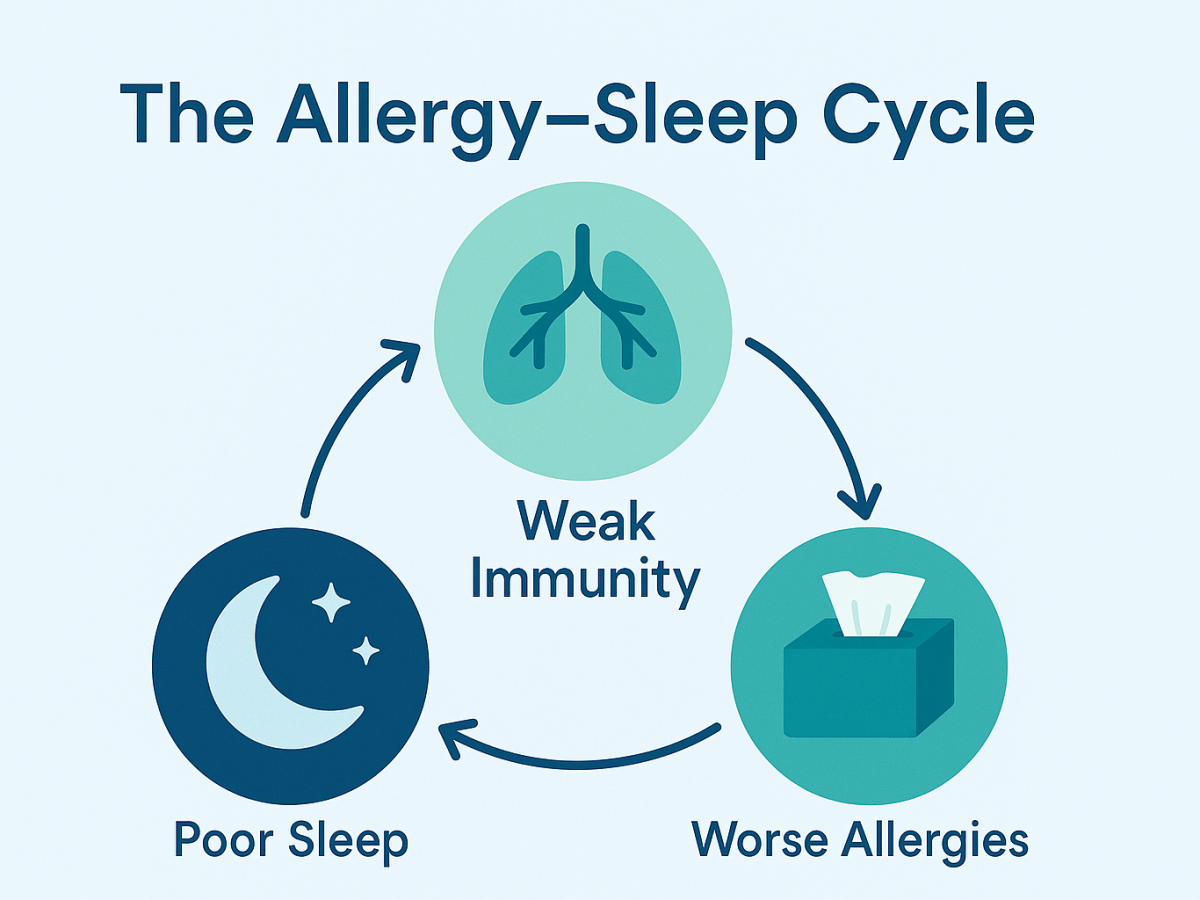
The Overlooked Connection Between Sleep and Allergies
Many overlook the link between sleep and allergies, but poor sleep can worsen allergic symptoms and overall immune function. Poor sleep leads to increased inflammation and allergic reactions. Improving sleep hygiene can alleviate allergy symptoms significantly, emphasizing the importance of prioritizing restful sleep as a key component of allergy management.
Keep reading
Hidden Allergens in Popular Diets: What You’re Overlooking (and How to Fix It)
The shift toward diets like keto, vegan, and paleo introduces hidden allergens that can pose serious risks. Reformulations in packaged foods, cross-contact during food preparation, and mismanagement of allergies complicate safety. It’s essential to be vigilant about ingredient changes and maintain a food diary to distinguish between true reactions and dietary adjustments.
Keep readingSomething went wrong. Please refresh the page and/or try again.
 TulsaAllergyNews