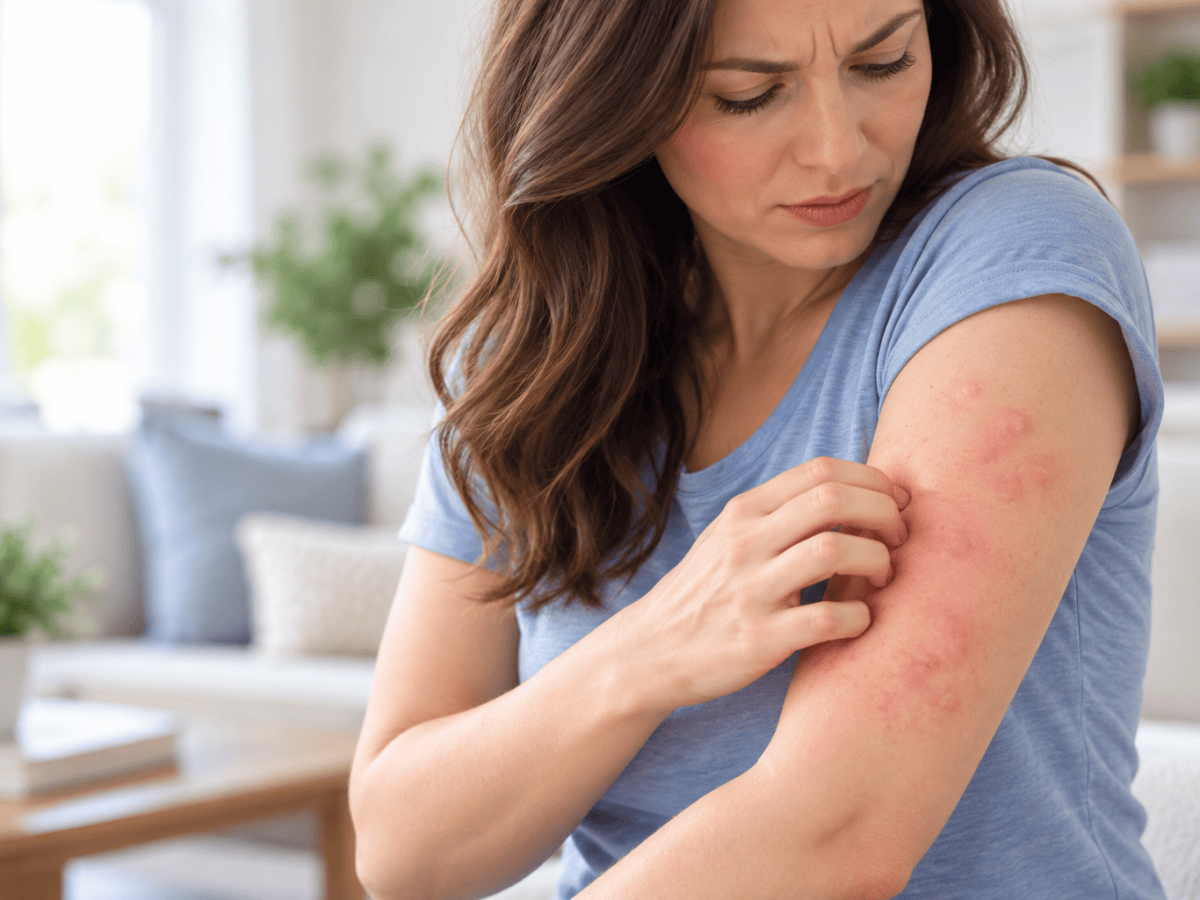
7 Steps to Living a Normal Life With Chronic Hives
Chronic hives can significantly disrupt daily life, often proving difficult to manage due to their unpredictable nature. Key recommendations include avoiding unnecessary trigger assumptions, seeking prompt evaluation, treating symptoms consistently, and identifying personal aggravators. Changes in lifestyle and treatment options, such as antihistamines or injections, can also lead to effective control and improved quality of…
Keep reading
7 Steps to Keep Your Child Safe at School With Allergies or Asthma
Sending a child with food allergies or asthma back to school requires a comprehensive plan beyond providing medications. Parents should collaborate with doctors to create written emergency action plans, ensure easy access to medications, communicate effectively with teachers, educate children on symptoms, and consider formal 504 plans for additional protection.
Keep reading
Needle-Free Epinephrine Is Here. It Could Change How We Treat Anaphylaxis.
In 2024, the FDA approved neffy, the first epinephrine nasal spray for treating anaphylaxis, offering a simpler and needle-free administration method. This could potentially improve emergency responses, especially in schools, as it reduces the fear and hesitation associated with injections. However, accessibility and insurance coverage may influence its adoption.
Keep reading
Tulsa Is One of America’s Worst Allergy Cities. Here’s Why.
Tulsa ranks as the third-worst U.S. city for seasonal allergies, primarily due to high pollen levels, a long growing season, and a shortage of allergists. Many residents struggle with ongoing symptoms despite over-the-counter medications. Solutions include better pollen tracking, more specialists, and improved treatments like allergy shots for effective management.
Keep reading
Fibermaxxing Is Everywhere. Can It Actually Help Your Allergies?
Fibermaxxing is an emerging trend where individuals increase their fiber intake for potential health benefits, including better digestion and improved gut health. While many Americans consume insufficient fiber, the trend should not replace proven allergy treatments or medications. Gradually increasing fiber intake, with attention to dietary choices, can enhance metabolic health without curing food allergies.
Keep reading
How AlphaFold AI Is Changing the Future of Allergy Care
AlphaFold is an AI system by Google DeepMind that predicts protein shapes, enhancing research in molecular interactions critical for understanding allergies. It could enable more targeted allergy treatments by identifying key protein structures, but further validation is necessary. Although promising, patients should not rely solely on this technology for immediate solutions.
Keep reading
Why Are Women Taking Allergy Medications for Perimenopause Symptoms?
Many women experiencing perimenopause are using allergy medications to alleviate symptoms such as hot flashes and bloating, believing they may reduce hormone-related discomfort. While the connection between histamine and hormones is acknowledged, caution is advised due to the lack of clinical evidence for these treatments. Tracking symptoms and consulting a doctor is essential.
Keep reading
How Organic Foods, Conventional Foods, and Food Dyes Affect Allergies
The article discusses the impact of organic versus conventional foods on allergies, emphasizing that while organic dairy shows promise in reducing eczema risk, more research is needed to support sweeping conclusions. It also highlights concerns about pesticide exposure in conventional produce and the recent national focus on phasing out synthetic food dyes, encouraging gradual diet…
Keep reading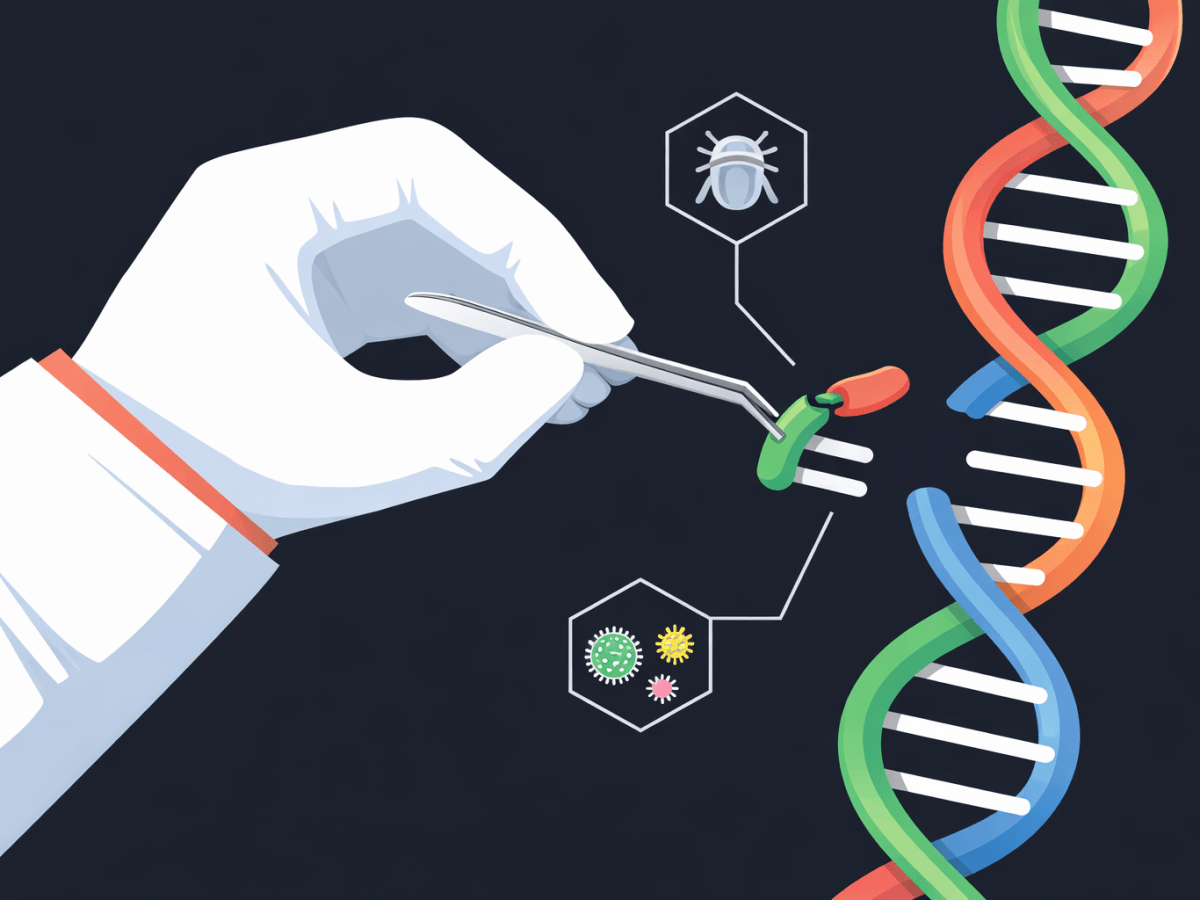
Could We “Turn Off” Allergies With Gene Editing? Here’s What CRISPR Actually Makes Possible
A baby with a fatal metabolic disorder was successfully treated with CRISPR gene editing, raising hopes for managing allergies. However, allergies involve complex genetic and environmental factors, making CRISPR a challenging solution. The future may include targeted treatments for immune disorders, but widespread applicability for allergies remains uncertain and ethically debated.
Keep reading
Peanut Patches and AI Food Allergen Detectors: Cures for Food Allergies?
Recent advancements in food allergy technology include a peanut patch and portable allergen scanners. While these tools show promise, they have limitations in their effectiveness. Serious reactions often occur in restaurants, and traditional strategies like oral immunotherapy provide stronger protection. Effective management still relies on careful avoidance, communication, and preparedness.
Keep readingSomething went wrong. Please refresh the page and/or try again.

