
Tag: Food allergy
-

Peanut Patches and AI Food Allergen Detectors: Cures for Food Allergies?
Recent advancements in food allergy technology include a peanut patch and portable allergen scanners. While these tools show promise, they have limitations in their effectiveness. Serious reactions often occur in restaurants, and traditional strategies like oral immunotherapy provide stronger protection. Effective management still relies on careful avoidance, communication, and preparedness.
-

California Is Forcing Restaurants to Disclose Allergens. Here are the Risks Nobody Is Talking About.
California’s new restaurant allergen disclosure law starts July 1. For most people with food allergies, they will hear that and think, “Finally, I can relax when I eat out.” Unfortunately, it’s not so simple. And for non-Californians, just know that the Golden State is often the testing ground for food policy. If this law works,…
-

The Seed Oil–Allergy Link No One’s Explaining Correctly
Seed oils face criticism as a potential cause of health issues like inflammation and allergies. However, not all seed oils are harmful; those high in omega-6 fats can increase allergic sensitivity, while omega-3-rich oils can help reduce it. Making informed choices can significantly impact health and allergy symptoms over time.
-
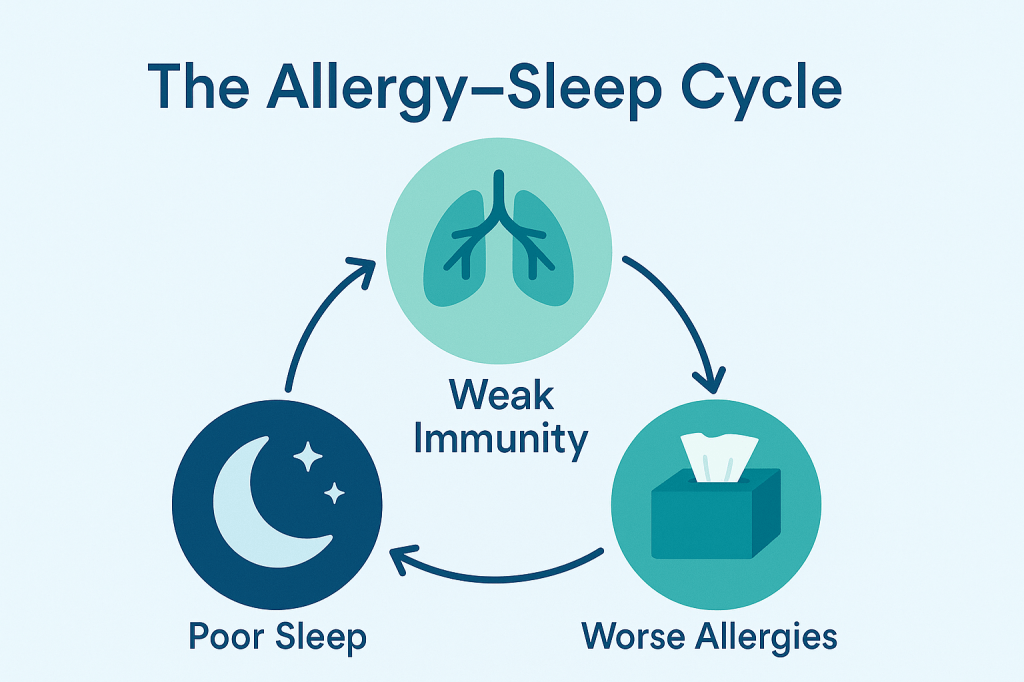
The Overlooked Connection Between Sleep and Allergies
Many overlook the link between sleep and allergies, but poor sleep can worsen allergic symptoms and overall immune function. Poor sleep leads to increased inflammation and allergic reactions. Improving sleep hygiene can alleviate allergy symptoms significantly, emphasizing the importance of prioritizing restful sleep as a key component of allergy management.
-

Hidden Allergens in Popular Diets: What You’re Overlooking (and How to Fix It)
The shift toward diets like keto, vegan, and paleo introduces hidden allergens that can pose serious risks. Reformulations in packaged foods, cross-contact during food preparation, and mismanagement of allergies complicate safety. It’s essential to be vigilant about ingredient changes and maintain a food diary to distinguish between true reactions and dietary adjustments.
-

The Biggest Breakthroughs in Allergy Research This Year
Most allergy treatments still play defense. You react, you medicate, and then you wait for it to come back. But this year? We’re finally playing offense. From food allergies to eczema to asthma, the latest breakthroughs are revolutionizing the entire field. Here’s what’s new and what you can do about it right now. 1. Biologics…
-

When Allergies and Eczema Collide: Understanding the Atopic March
The atopic march refers to the progression of allergic conditions in children, typically beginning with eczema or food allergies and potentially leading to asthma. Early detection and intervention, including testing IgE levels, tracking triggers, and consulting an allergist, are crucial to managing these conditions and preventing further complications.
-
Oral Immunotherapy: The Future of Peanut Allergy Management
“Don’t eat peanuts or you’ll die!” For decades, strict avoidance was our approach to peanut allergy management. If you never ate peanuts, you would never react. But unfortunately, life is unpredictable, and accidental ingestion happens all the time. The Limitations of Strict Avoidance Even the most careful parents can’t control every meal their child eats. …
-

Why Food Allergy Rates Are Rising—and What It Means for Public Health
Food allergies are skyrocketing. Since 1997, peanut allergies in children have tripled, and food allergies overall have increased by 50%. It’s not just an individual health issue; it’s a $25 billion-a-year problem when you factor in rising emergency room visits, increased medications, lost productivity, and special dietary needs. While advancements in emergency treatment have helped…
-

6 Common Mistakes Parents Make With Food Allergens in Kids
Over 40% of children with food allergies experience severe reactions, often due to parental mistakes. Key errors include full-dose challenges, testing multiple allergens, neglecting investigation post-reaction, over-reliance on blood tests, and inadequate food safety.
 TulsaAllergyNews