Tag: Food allergy
-

Needle-Free Epinephrine Is Here. It Could Change How We Treat Anaphylaxis.
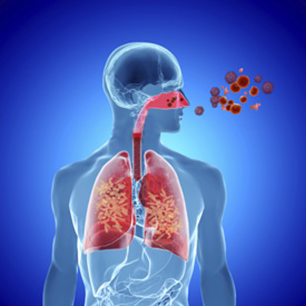
In 2024, the FDA approved neffy, the first epinephrine nasal spray for treating anaphylaxis, offering a simpler and needle-free administration method. This could potentially improve emergency responses, especially in schools, as it reduces the fear and hesitation associated with injections. However, accessibility and insurance coverage may influence its adoption.
-

Tulsa Is One of America’s Worst Allergy Cities. Here’s Why.
Tulsa ranks as the third-worst U.S. city for seasonal allergies, primarily due to high pollen levels, a long growing season, and a shortage of allergists. Many residents struggle with ongoing symptoms despite over-the-counter medications. Solutions include better pollen tracking, more specialists, and improved treatments like allergy shots for effective management.
-

Fibermaxxing Is Everywhere. Can It Actually Help Your Allergies?
Fibermaxxing is an emerging trend where individuals increase their fiber intake for potential health benefits, including better digestion and improved gut health. While many Americans consume insufficient fiber, the trend should not replace proven allergy treatments or medications. Gradually increasing fiber intake, with attention to dietary choices, can enhance metabolic health without curing food allergies.
-

How AlphaFold AI Is Changing the Future of Allergy Care
AlphaFold is an AI system by Google DeepMind that predicts protein shapes, enhancing research in molecular interactions critical for understanding allergies. It could enable more targeted allergy treatments by identifying key protein structures, but further validation is necessary. Although promising, patients should not rely solely on this technology for immediate solutions.
-
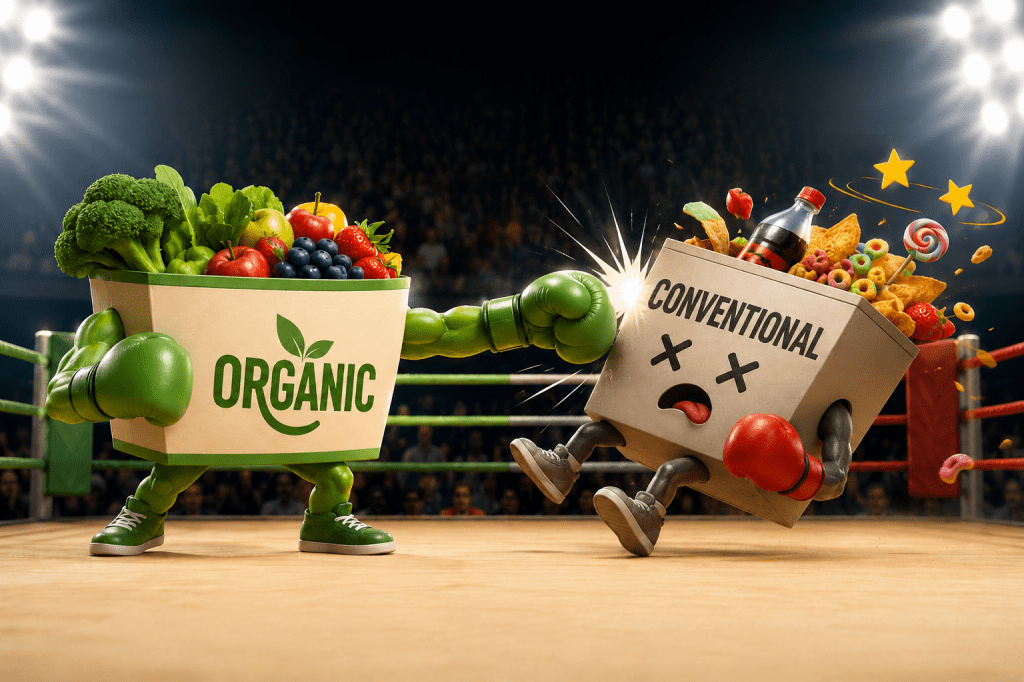
How Organic Foods, Conventional Foods, and Food Dyes Affect Allergies
The article discusses the impact of organic versus conventional foods on allergies, emphasizing that while organic dairy shows promise in reducing eczema risk, more research is needed to support sweeping conclusions. It also highlights concerns about pesticide exposure in conventional produce and the recent national focus on phasing out synthetic food dyes, encouraging gradual diet…
-

Peanut Patches and AI Food Allergen Detectors: Cures for Food Allergies?
Recent advancements in food allergy technology include a peanut patch and portable allergen scanners. While these tools show promise, they have limitations in their effectiveness. Serious reactions often occur in restaurants, and traditional strategies like oral immunotherapy provide stronger protection. Effective management still relies on careful avoidance, communication, and preparedness.
-
California Is Forcing Restaurants to Disclose Allergens. Here are the Risks Nobody Is Talking About.
California’s new restaurant allergen disclosure law starts July 1. For most people with food allergies, they will hear that and think, “Finally, I can relax when I eat out.” Unfortunately, it’s not so simple. And for non-Californians, just know that the Golden State is often the testing ground for food policy. If this law works,…
-

The Seed Oil–Allergy Link No One’s Explaining Correctly
Seed oils face criticism as a potential cause of health issues like inflammation and allergies. However, not all seed oils are harmful; those high in omega-6 fats can increase allergic sensitivity, while omega-3-rich oils can help reduce it. Making informed choices can significantly impact health and allergy symptoms over time.
-
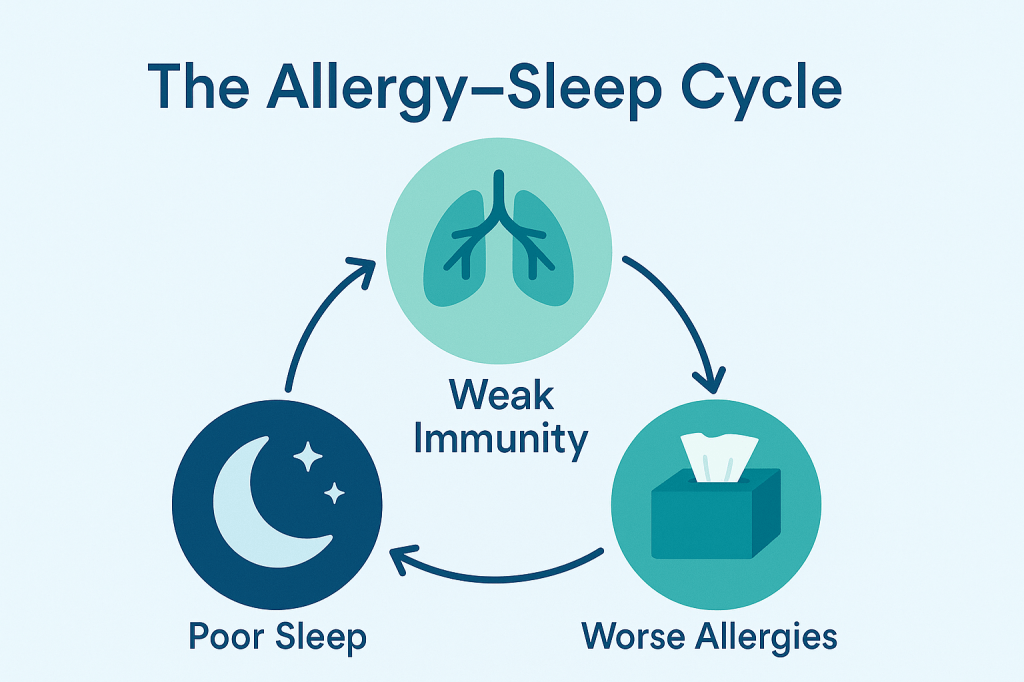
The Overlooked Connection Between Sleep and Allergies
Many overlook the link between sleep and allergies, but poor sleep can worsen allergic symptoms and overall immune function. Poor sleep leads to increased inflammation and allergic reactions. Improving sleep hygiene can alleviate allergy symptoms significantly, emphasizing the importance of prioritizing restful sleep as a key component of allergy management.
-

Hidden Allergens in Popular Diets: What You’re Overlooking (and How to Fix It)
The shift toward diets like keto, vegan, and paleo introduces hidden allergens that can pose serious risks. Reformulations in packaged foods, cross-contact during food preparation, and mismanagement of allergies complicate safety. It’s essential to be vigilant about ingredient changes and maintain a food diary to distinguish between true reactions and dietary adjustments.

