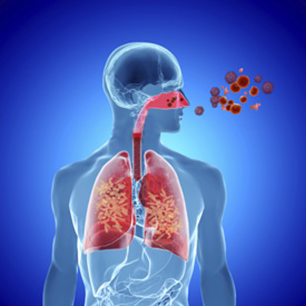


What Causes Allergies?
Are allergies becoming more common? It seems like allergies are increasingly affecting people of all ages. Factors such as climate change, increased exposure to certain allergens, and genetic predisposition could be contributing to this increase in sensitivity. Whether it’s seasonal sneezing or a serious food allergy, understanding the causes of sensitization to allergens can help patients and doctors better manage the symptoms. In this blog post we will explore what is behind these growing numbers and how best to treat them.
https://www.verywellhealth.com/what-is-sensitization-82988
The process by which your body becomes sensitive to—and allergic to—a particular substance is called sensitization. When your immune system becomes sensitized to an allergen (an otherwise harmless substance), you will likely develop symptoms of an allergy each time you are exposed to that same allergen.
Allergies can include physical reactions that range from mildly uncomfortable to severely harmful. https://6c9a8cdfa4c438caf639655af904ae2a.safeframe.googlesyndication.com/safeframe/1-0-38/html/container.html
:max_bytes(150000):strip_icc():format(webp)/165199012-56a2f5c85f9b58b7d0cfe069.jpg)
Allergens trigger an immune response in some people and not in others.1 The process of sensitization is complex, involving steps in which your body “learns” to produce an inflammatory reaction and remembers to do so whenever you are re-exposed to the allergen.
Symptoms of Sensitization and True Allergies
Sensitization is a process by which the immune system will produce an antibody, which is a defensive protein, in response to a substance—such as certain foods, pollen, mold, or medications.2
As such, allergy symptoms develop due to the reaction triggered by the immune system in response to the allergen. If there are antibodies but no symptomatic response, we refer to that as asymptomatic sensitivity.
Allergy symptoms may include:1
- Skin rash
- Hives
- Itching of the eyes or skin
- Wheezing
- Rhinitis (nasal drip, sneezing, congestion)
In more severe hypersensitivity reactions, anaphylaxis, a severe form of allergy, can develop. This allergic response can lead to respiratory distress, shock, and even death.3
Variations in Allergic Sensitivity
Interestingly enough, allergy sensitization not only varies by the individual, but also by which part of the world you live in. For example, sesame allergy is common in Israel, where peanut allergy is rarer.4 Conversely, peanut allergy is common in the United States, where sesame allergy is rarer.5 If you live in Italy, you are more likely to be allergic to fish.https://6c9a8cdfa4c438caf639655af904ae2a.safeframe.googlesyndication.com/safeframe/1-0-38/html/container.html
While scientists aren’t entirely sure why this happens, some believe that the widespread consumption of certain foods within a region will allow individual exposure and subsequent sensitization that manifests with a higher incidence of a particular allergy.
And the way certain foods are processed (or even the soil where they grow) may contribute to the phenomenon. The same applies to pollutants or toxins that are prevalent in certain parts of the world and less so in others.
Cross-Reactive Sensitivity
If a person has a true allergy, the presence of the allergic antibody will typically be present in the bloodstream. As such, wherever a person is re-exposed to an allergen, the antibody will be there to trigger a response, and sometimes the antibody can be detected with a blood test.
In some cases, the immune system will mistake a non-allergen for a true allergen. This is called cross-reactivity and occurs when the protein of an allergen—like pollen—is similar in the structure of something else.2
So, what do you do if you suspect you’ve been sensitized to a food, outdoor allergen or even medication?
- Make sure you have the correct diagnosis–sensitization usually requires a molecule called IgE. IgE will create a chemical reaction with the allergen in question and lead to further symptoms, such as sneezing, wheezing, and in rare cases, anaphylaxis. You want to know if you’re sensitive BEFORE you get exposed.
- IgE is detected by skin testing or blood work looking for the IgE molecule. You can use either method as long as you interpret the results correctly and with meaning for your situation. If your regular doctor doesn’t know or you’re uncomfortable with the answer, seek help from an allergy specialist.
- Some sensitization can be corrected by “desensitization”–examples include allergy shots, oral immunotherapy (OIT) to foods, or desensitization to medications. Unfortunately, not all sensitization can be corrected and you have to avoid the offending agent. An example of this allergy is alpha-gal or red meat allergy. For now, only avoidance will prevent reactions to red meat if you’re sensitive. Someday we’ll have better protocols for desensitizing, but not yet cowboy!
- Food allergy used to be quite a problem for peanut. Families and patients alike were literally “scared to death” about accidental peanut ingestion. Always use vigilance, but OIT can be very successful to allow peanut ingestion without anaphylaxis for both accidental exposure and dare I say it, a peanut butter & jelly sandwich? It is possible and so much fun to see kids with a life long fear of peanuts able to relax at school or play because they’ve become “desensitized”.
- Don’t leave medications out from your list of really scary allergens. We can get you desensitized from penicillin, other antibiotics, aspirin (for heart patients), and a whole host of other medications. The process for oral medications is a bit different than pollens, or foods, but the end result is the same….reduce your anxiety about accidental ingestion and you may be able to swallow a new pill that’s a better choice for you now that potential allergy is taken care of!
Allergies are caused by sensitization, which is when your immune system reacts to a usually harmless substance. The cause of allergies can be reduced or even eliminated by “desensitization,” which is when you’re exposed to small amounts of the allergy-causing substance over time. You’ll need the help of an allergist for these protocols, but it’s very successful. If you think you might benefit from desensitization, contact an allergy specialist who can tell you if a protocol is right for you! And don’t forget to subscribe for notification of all future blog posts!
 TulsaAllergyNews