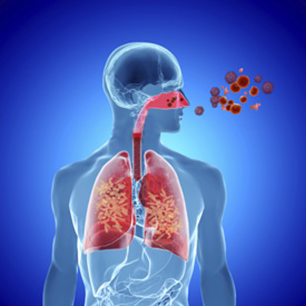


Allergy rates have skyrocketed in the last 30 years, and the trend isn’t slowing.
The main culprit is the “hygiene hypothesis.” Starting in the 1980s, we scrubbed, sanitized, and sterilized our lives to the point where our immune systems stopped getting the training they needed. Antibiotics were handed out like candy, antibacterial wipes filled every household, and “clean” became the cultural obsession.
But the result was predictable: without regular exposure to microbes, dirt, and bacteria, the body defaulted to overreacting, and everyone’s Th2 balance went up—turning harmless pollen, peanuts, or pet dander into enemies.
Meanwhile, kids in farming communities who grow up playing in barns or around animals still develop fewer allergies. Why? Because their immune systems are exposed early and often to endotoxin, the bacterial fragments found in soil and manure, which trains the body to fight infection while dampening allergic responses.
Sterile isn’t always safer.
Unfortunately, scrubbing our homes isn’t the only issue.
The Climate Connection
Climate change has joined the mix, supercharging pollen seasons and pollen production.
Ragweed, for instance, now releases about 20% more pollen than it did just a decade ago. That means longer stretches of itchy eyes, runny noses, and asthma flare-ups. This is why environmental allergies—especially pollen—are climbing the fastest, thanks to those longer seasons.
Naturally, going inside to avoid this is what most people do, but now we have another problem: indoor triggers.
Dust mites thrive when humidity is high. Mold blooms the moment moisture creeps past 50%. And pet dander can either prime a child’s immune system (if exposure starts in the first year of life) or worsen symptoms if introduced later.
To get ahead of this conundrum, track pollen locally, mow the lawn in the evening when levels are lower, and use a $15 humidity gauge to keep your home between 30–50%.
These small shifts make daily life far more manageable.
Allergies Don’t Care About Class
You might assume allergies are a “wealthy family” problem, but that’s not the full picture.
Higher-income households often see more hygiene-driven allergies from sterile living, while lower-income households battle indoor triggers like cockroaches, rodents, and mold. Both ends of the spectrum get hit.
And then there are countries like sub-Saharan Africa, where allergies are rare—not because of better health systems, but because immune systems are constantly occupied fighting infections.
Regardless of class, the immune system is a balancing act. If it’s busy battling parasites or bacteria, it’s less likely to waste energy overreacting to pollen.
Where Public Health Misses the Mark
While the U.S. does better than many countries in tracking and treating allergies, it still lags far behind in actually prioritizing them.
For one, government resources flow toward infectious disease outbreaks like measles or COVID, while chronic issues like asthma and hay fever are left in the shadows. That blind spot shows up in simple things—for example, most pollen counts you see on your weather app don’t come from your city. They’re often estimates from the next state over because few people are counting (it’s very laborious).
Not super helpful.
And then there’s the problem of misinformation.
Public health rarely steps in to correct myths—like the belief that you shouldn’t go outside when cottonwood fluff is flying (it’s already pollinated by then; the real culprit is usually grass pollen). Or the silence around steroids: patients aren’t told how to safely use inhalable corticosteroids, what the side-effect thresholds are, or why repeated steroid shots aren’t a long-term solution.
Instead of empowering patients with clarity, the system leaves them guessing.
This gap shows up even in conversations with healthcare professionals. For example, I recently spoke with a public health nurse who had never been taught why the older PCV23 vaccine is still crucial for diagnosing immune deficiency. That kind of blind spot—where even providers lack practical education—trickles down to families who never get the clarity they need.
And there’s a price for that silence.
The Real Cost of Doing Nothing
Allergies are draining the health care system.
Asthma hospitalizations cost the U.S. healthcare system billions annually when you factor in ER visits, medications, and lost workdays.
What’s sad is that many of those hospitalizations are preventable.
For instance, if patients consistently started their inhalers in late August—right before peak ragweed season in September—thousands of ER trips could be avoided. To make this practical, set a calendar reminder. Two weeks before your worst allergy season, start daily inhaler use. Don’t wait until you can’t breathe.
Now imagine if public health backed this up with funding.
Money spent on accurate local pollen counts, awareness campaigns, and preventive care would slash asthma hospitalizations, empower patients, and relieve the healthcare system of one of its heaviest costs.
Every dollar spent on prevention would pay for itself many times over.
Rebuilding Trust in Public Health
If governments wanted to fully solve the allergy problem, they should focus on perception.
After COVID, trust in public health took a nosedive. If officials want to rebuild that trust, the solution is simple: focus on practical, local education concerning allergies.
I’d recommend weekly pollen counts published by local health departments, reminders about when to start preventive inhaler use, and campaigns teaching families when to say no to antibiotics. None of these is complicated. They just require attention and follow-through.
Families are hungry for clarity, not vague slogans. That’s how trust is rebuilt, one useful step at a time.
What Families Can Do Right Now
Depending on if/when the government ever gets around to tackling allergies, here’s what families can do right now to stay ahead of the game:
- Cut back on unnecessary antibiotics. Don’t demand them for viral colds. Save them for real bacterial infections; otherwise, you risk damaging your gut and worsening your allergies with heavy usage.
- Control indoor humidity. Use a portable gauge, aim for 30–50%, and run dehumidifiers where levels spike.
- Get outside early (and often). Let kids play in the dirt and get sunshine (sunlight helps you fight allergies). If you’re planning to add a dog to the family, do it in your child’s first year of life, as that’s when the protective effect kicks in.
Follow these three and you’ll stay ahead of this allergy epidemic.
 TulsaAllergyNews