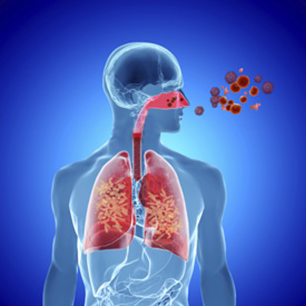


Food allergies are skyrocketing.
Since 1997, peanut allergies in children have tripled, and food allergies overall have increased by 50%. It’s not just an individual health issue; it’s a $25 billion-a-year problem when you factor in rising emergency room visits, increased medications, lost productivity, and special dietary needs.
While advancements in emergency treatment have helped prevent an increase in fatalities, children and teenagers remain the most vulnerable age groups. Notably, cow’s milk and nuts are the most common triggers of fatal reactions.
But why? Why are so many kids developing food allergies today when past generations didn’t?
The answer isn’t simple.
Let’s break it down and, more importantly, discuss what needs to change to reverse this trend.
It’s Not Just One Factor
A common misconception is that food allergies can be traced back to a single root cause.
Here are the three biggest ones at play:
- Delayed Exposure to Allergens—For decades, health organizations have advised parents to delay the introduction of allergenic foods like peanuts and eggs in hopes of preventing allergies. However, recent research has shown that this approach may have actually increased food allergy rates, leading to a paradigm shift in guidelines, especially since 85% of people outgrow egg allergies.
- Over-Sterilization of Our Environment—The modern obsession with antibacterial products—soaps, wipes, hand sanitizers—has weakened the resilience of the immune system by limiting microbial exposure, which is essential for proper immune development.
- Overuse of Antibiotics—Children today are prescribed antibiotics at an alarming rate, disrupting gut microbiota and weakening immune system training. This shift makes children more prone to allergic responses because they never get a chance to develop immunity on their own.
These factors combined have created a generation with overactive immune systems, mistaking harmless food proteins for dangerous invaders.
The Hygiene Hypothesis: How Our Clean World Backfired
One of the most compelling explanations for rising allergy rates is the hygiene hypothesis.
In the past, we ran around and ate dirt, exposing ourselves to all kinds of bacteria. Fighting infections strengthened our immune systems. Today, kids are raised in sterile environments, where exposure to microbes is drastically reduced thanks to sanitizers and antibiotics.
We’re simply too clean.
Our immune system has two main pathways: TH1 cells (which fight infections) and TH2 cells (which trigger allergic reactions). In the past, TH1 cells were always busy fighting bacteria, viruses, and parasites as we ate dirt. Now, without enough microbial exposure, TH1 cells are dormant, making TH2 cells hyperactive, which leads to allergies.
This is why allergists today don’t like to prescribe antibiotics all the time because they remove bacteria in our bodies, stimulating TH2 cells more.
How to Rebalance the Immune System: Turning TH1 Cells Back On
If an overactive TH2 response is the problem, the solution is to reactivate TH1 cells to strengthen immune tolerance.
The first way to fix it is to reduce the number and length of antibiotics.
We should avoid prescribing antibiotics for viral infections (like colds) and allow mild infections to resolve naturally. Parents should understand that not every illness requires medication and that sometimes antibiotics can make allergies worse or create resistant bacteria.
The second way to turn the TH1 cells on is to expose kids as early as possible to their allergens.
I’d recommend introducing allergenic foods between 2-6 months old, starting with tiny amounts. For common allergens like peanut butter, use a small dab of peanut butter the size of a pinky fingernail. If they tolerate it, go up the food ladder and increase the amounts.
If you don’t feel comfortable doing it by yourself, schedule an office food challenge with an allergist.
The last way we can fix this is by addressing comorbid conditions like eczema.
Our research now shows us that some comorbidities like eczema contribute to food allergy because it creates tiny breaks in the skin, allowing food proteins to enter the bloodstream and sensitize the immune system to allergens for many years. Eczema even picks up the allergic foods and takes them to the T cells as if it’s an intruder. The best way to treat this is with proper moisturizers and medications like dupilumab, a biologic that reduces inflammation and allergic responses.
By focusing on these three core areas, we can rewire the immune system away from allergy development and back to normal tolerance.
Public Policy Solutions: Fixing the Allergy Crisis
To reverse this nationwide allergy epidemic, we will need systemic changes.
Pharmaceutical companies are not incentivized to treat food allergies (there’s no drug to give), so governments should pursue these policies that would have the biggest impact:
1. Education for Parents and Doctors – Investing in public health campaigns that promote early allergen introduction, gut health, and proper antibiotic use could save billions in healthcare costs long term. Schools can easily do this as they did with the Food Pyramid to fight obesity, promoting food allergy education into health curriculums to help parents make informed decisions early. Just as powerful is educating women to understand that breastfeeding continues to be a fundamental strategy in allergy prevention, as it provides immune-supportive nutrients and promotes a healthy gut microbiome, which may reduce allergy development.
2. Changing Medical Practices – Pediatricians should receive standardized training on allergy prevention, including when and how to introduce allergens safely. They should also be taught how to challenge foods safely in small, gradual amounts, along with being introduced to the 2015 LEAP study, which found that introducing peanuts between 4–6 months led to an over 80% reduction in peanut allergy by the age of five.
While public policy can’t eliminate food allergies overnight, shifting medical and educational norms is a necessary step to slow this crisis.
Overall, We’re Just Scratching the Surface
We now know that a single gene, TGF-beta protein, plays a major role in peanut allergy risk. If it’s missing, you’re much more likely to develop peanut sensitivity.
We also know that food allergies are rising worldwide in countries like Africa, meaning this isn’t just a Western country problem. This suggests global lifestyle changes like possibly super processed foods, not just genetics, are at play, as most diseases don’t just increase throughout the world equally in every country like allergies are.
Unfortunately, we’re still in the dark about understanding food allergies in general, so it’s hard to nail it down completely.
However, the FDA has just approved Omalizumab, which has been shown to reduce food allergy reactions in 80% of subjects, so now we have the tools to fight back. The real challenge is making sure parents, doctors, and policymakers use them to end this epidemic.
If we act now, we can change the trajectory of food allergies for future generations.
 TulsaAllergyNews