
When families think about Thanksgiving allergies, they often blame pecan pie, since nuts in desserts can cause serious reactions.
But after decades of treating allergy patients in Oklahoma, I’ve seen other, more surprising problems emerge. The good news is that a few conversations and simple changes can prevent many avoidable exposures.
Here are the top things to watch out for so you and your loved ones can have an Allergy-Free Thanksgiving:
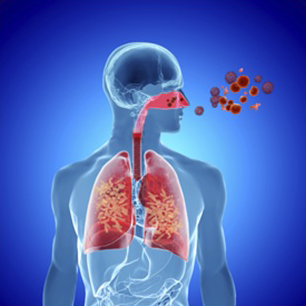
Your “fall allergies” may actually be sinus trouble
Every November, patients come into my office complaining that their allergies are driving them crazy.
Their noses keep running. Some can barely breathe through their noses, even after taking their usual allergy medication. But by Thanksgiving, Oklahoma’s ragweed season has usually wound down.
So when patients describe persistent congestion, I start considering other causes, particularly sinus problems.
The difficulty is that allergies and respiratory infections can produce symptoms similar to sinusitis. Many people continue taking allergy medication for weeks without realizing something else may be causing their congestion. I’ve seen patients put up with sinus problems for months because they never received a proper diagnosis.
If symptoms persist, I recommend getting evaluated. Chronic sinusitis involves inflammation lasting at least 12 weeks. Sometimes a CT scan is necessary to see what’s happening inside the sinuses.
Treatment depends on the cause, so don’t assume another allergy pill or a course of antibiotics will solve the problem.
Stuffing and casseroles deserve the closest inspection
I’d watch the stuffing most closely.
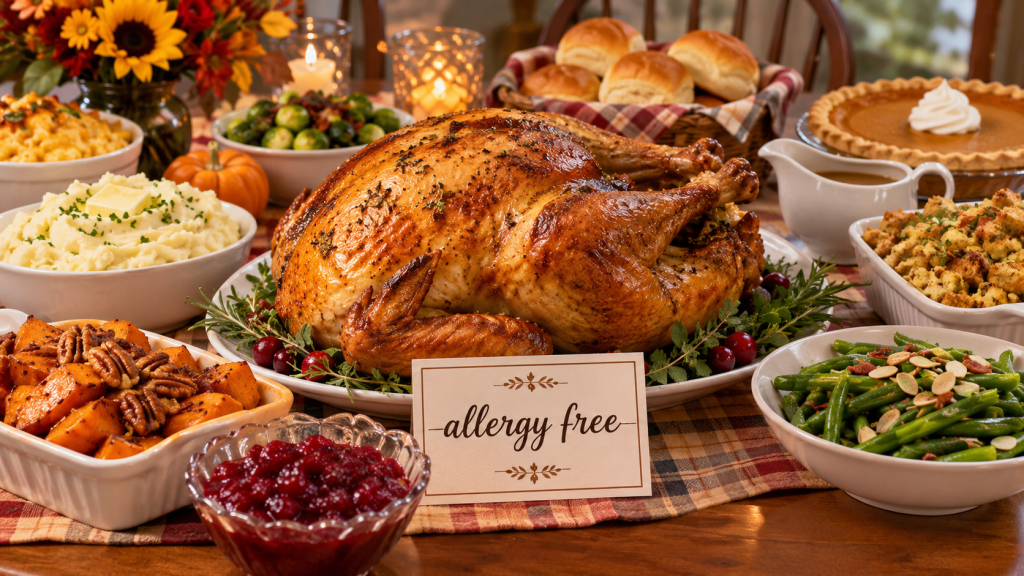
Every family makes it differently. One cook adds pecans, while another uses sausage, seasoning mix, or broth. Green bean casserole may contain milk, wheat, or soy. Gravy frequently gets its thickness from wheat flour, while mashed potatoes may contain butter and cream.
Food Allergy Research & Education also warns about soy in turkey brines and eggs in holiday baked goods.
What’s especially dangerous is that a dish can look familiar while hiding a changed ingredient. A family recipe can change when someone runs out of an ingredient and substitutes a different brand without thinking twice.
Check the recipe and every ingredient label twice to be on the safe side.
Don’t overlook ham, turkey, and dessert
Turkey allergy is uncommon, but for people with alpha-gal syndrome, plain turkey is often a better option than ham.
Alpha-gal syndrome is a tick-associated allergy to mammalian products, including pork. Turkey and other poultry don’t contain alpha-gal. So if you want to avoid any risk, check that your gravy isn’t bacon- or pork-based.
Desserts pose a familiar risk, unfortunately:
- Pecan pie: Contains tree nuts that can cause severe reactions.
- Cookies: May contain chopped walnuts or peanuts, even when they aren’t obvious.
- Brownies: Can contain hidden nuts or come into contact with nuts during preparation.
- Sweet potato casserole: Often contains pecans in its crunchy topping.
And remember that a dinner roll isn’t harmless to someone with a wheat allergy, as the wheat proteins can trigger a genuine allergic reaction, even when the bread looks perfectly ordinary.
Potluck dinners create an ingredient guessing game
Thanksgiving potlucks bring dishes from half a dozen kitchens.
That should make you cautious. Your aunt may remember using almond milk but forget that she also added butter. Or a cousin might use the same spatula for brownies with walnuts and those without. Even a casserole prepared without nuts can pick up allergens from a shared serving spoon.
If your child has a serious food allergy, bringing a complete, familiar meal is totally reasonable. With so much food, the child rarely stands out. And when you do, ask the host to keep that meal covered and separate, with its own serving utensils.
It might be more of a hassle, but it is so worth it.
Have the hard conversation with the grandparents
One of the most troubling situations I’ve seen in practice is a relative who doesn’t believe a child’s food allergy is real.
A grandparent may offer a bite to test whether the allergy is “really that bad.” That is dangerous. Even a small exposure can trigger a severe reaction in someone with a serious food allergy.
Make it a priority to have a clear conversation with the family before Thanksgiving. Name the unsafe ingredients and tell everyone to check before offering food.
Labels can also help, but a “peanut-free” card is only as reliable as the preparation.
The Christmas tree may surprise you most
Families often overlook the Christmas tree they put up Thanksgiving weekend.
A fresh evergreen can carry mold spores, and its strong pine scent may irritate sensitive noses. Inside a living room, exposure can last for hours. That can be particularly unpleasant for people with mold allergies or asthma.
Artificial trees collect allergens, too. A tree stored in an attic can collect dust while packed away for eleven months.
If you’re going to set up the tree during Thanksgiving, make sure to clean and dry artificial trees before assembling them. Dust off ornaments outside or in a well-ventilated area, and avoid heavily scented sprays.
Guests, pets, and candles can change the air
Similar to adding trees to your home, Thanksgiving can also bring some unwanted allergens via adorable guests.
Family members often bring dogs or cats with them for the holiday. As a result, pet allergens cling to furniture and clothing, so keeping the animal in another room may not solve the problem.
I recommend planning ahead with your allergist about whether a daily antihistamine or nasal spray will help. If an overnight visit means hours of symptoms, staying in a hotel may be the more comfortable choice, especially if the host house has scented candles and essential-oil diffusers.
Sometimes those fragrances can be more irritating to the lungs than the pet allergens.
Keep the holiday simple, and keep emergency medicine close
Food allergies can make Thanksgiving difficult, especially for children who want to enjoy the same dishes as their cousins.
Nobody wants to be the only person at the table who can’t eat Grandma’s pecan pie or homemade stuffing.
That’s why I recommend preparing for emergencies before everyone gathers around the table. Anyone prescribed epinephrine should have two doses readily available, and at least one other person should know how to administer them. If anaphylaxis occurs, give epinephrine immediately and call 911.
Ultimately, Thanksgiving should be about enjoying good food and making memories with family, without worrying about a trip to the emergency room.
With the right precautions in place, the only thing your family should have to worry about is who gets the last slice of pie.

